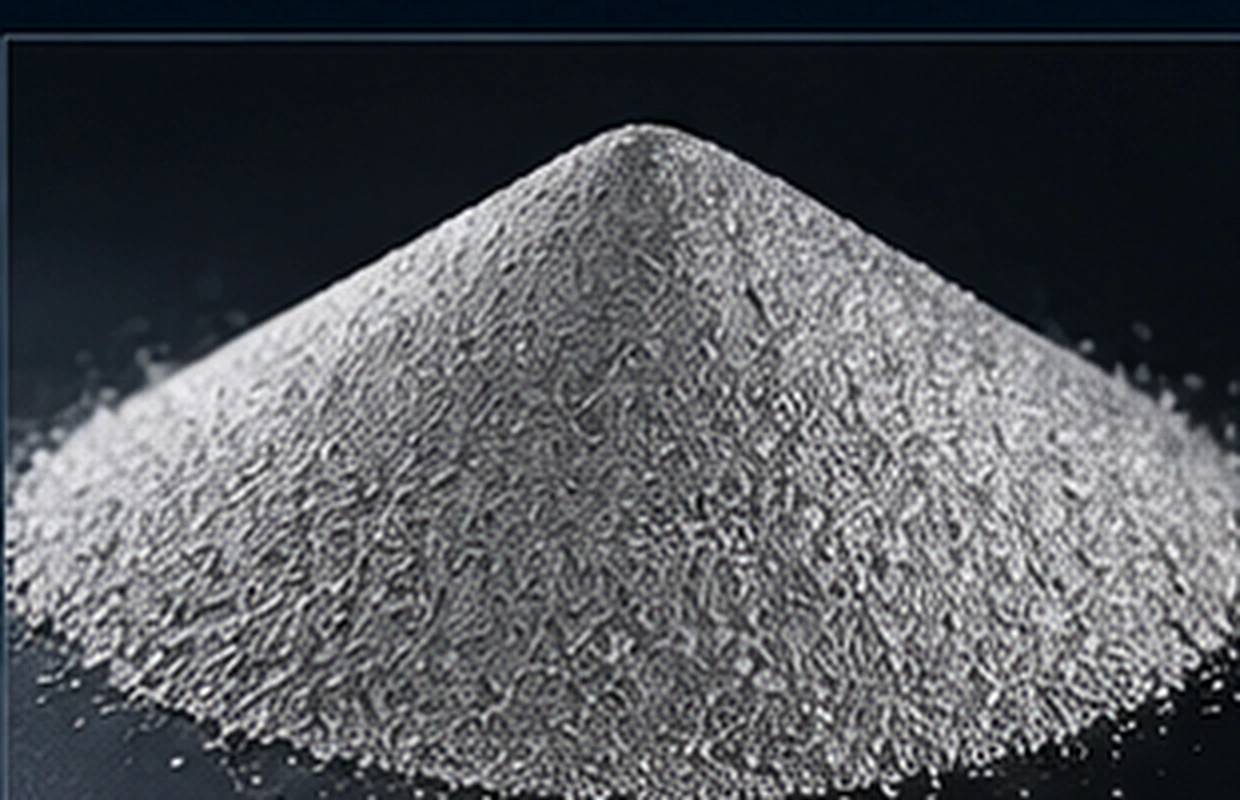
01 / POWDERPowder Raw Materials
Tungsten and binder-phase composition requirements are confirmed according to the target material system and specification.
MAOXU supplies tungsten heavy alloy materials and evaluates custom components in W-Ni-Fe and W-Ni-Cu systems. Based on drawings, density, dimensions, tolerances and application, we can evaluate an integrated route from raw material, pressing and sintering to inspection and CNC precision machining.
Material system, forming method, sintering conditions, machining accuracy and inspection documents are confirmed according to project requirements.
Tungsten and binder-phase composition requirements are confirmed according to the target material system and specification.
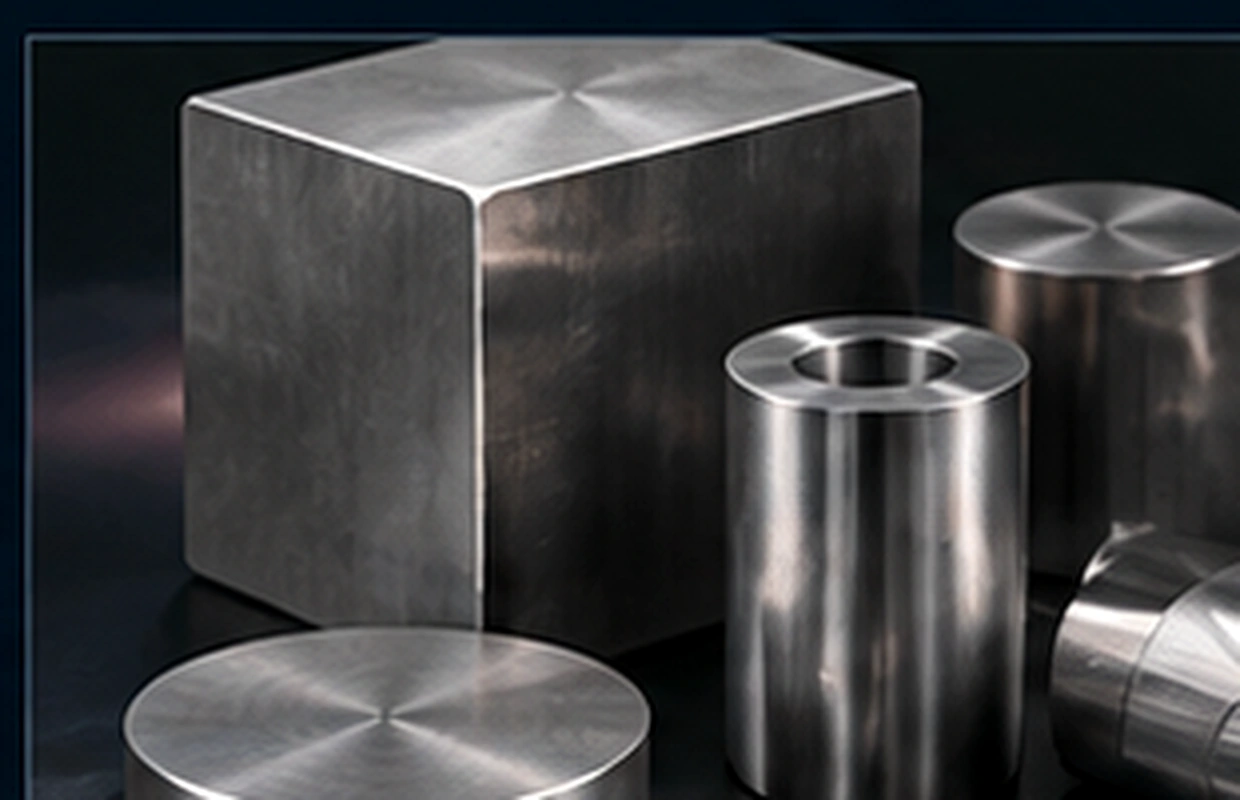
Pressing and blank routes are evaluated according to component dimensions and process conditions.
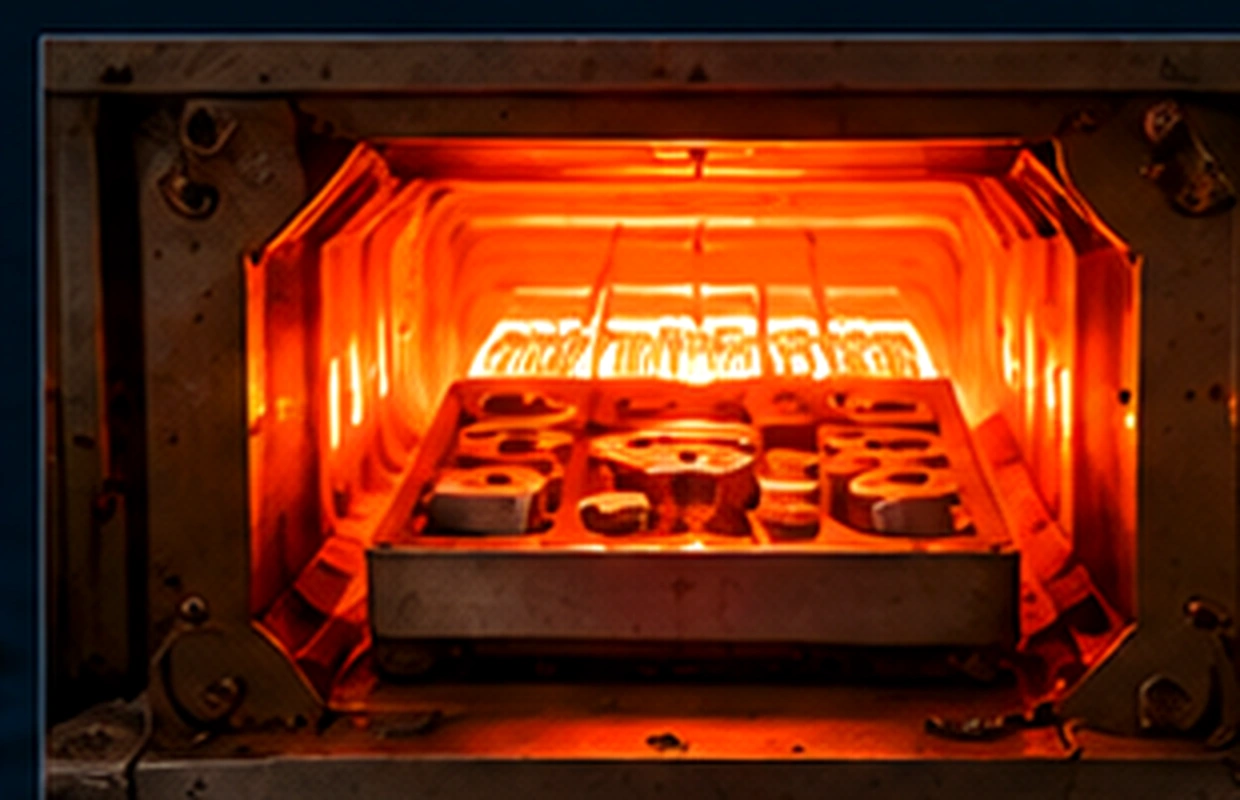
Sintering and downstream processing are evaluated according to grade and project requirements.
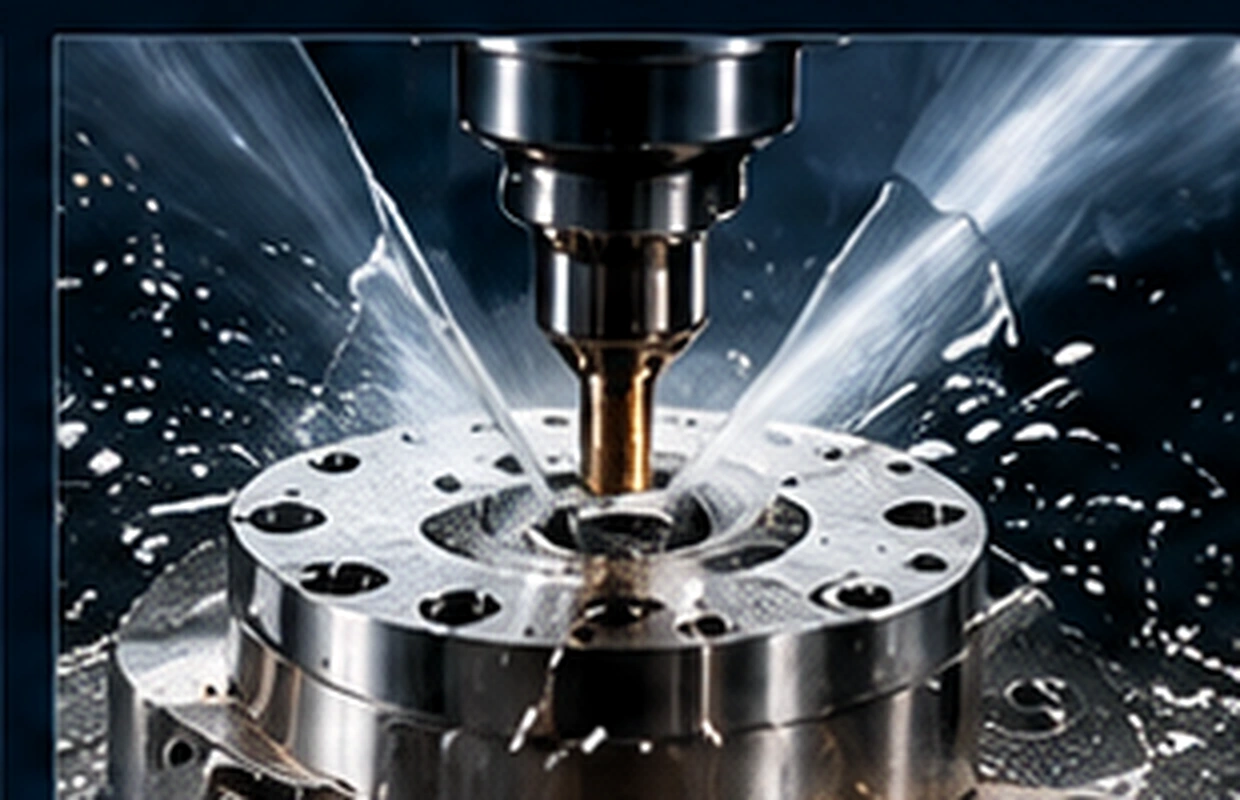
Precision machining feasibility is evaluated against drawings, tolerances and surface requirements.
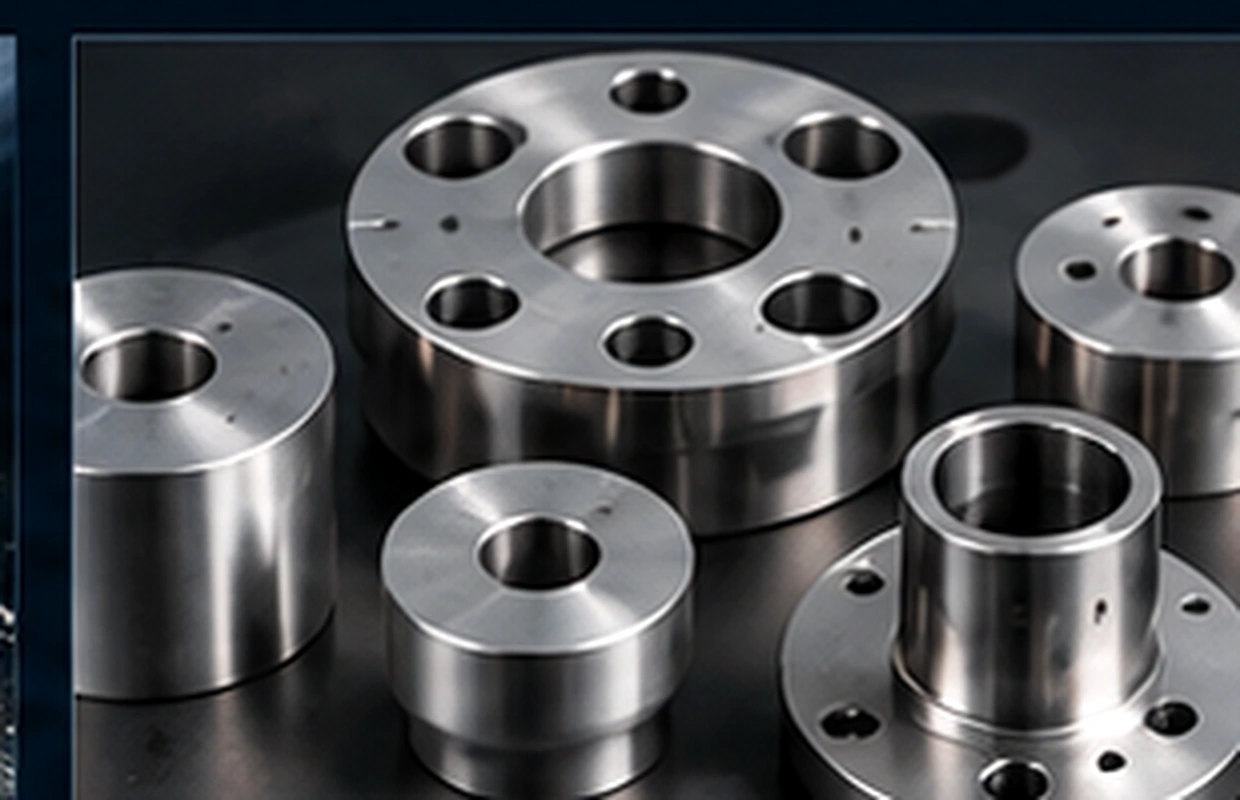
Dimensions, material certificates and specified inspection documents are confirmed according to order requirements.
Both are common tungsten heavy alloy systems. Final material selection should be confirmed according to density, mechanical properties, service environment, machining requirements and customer specifications.
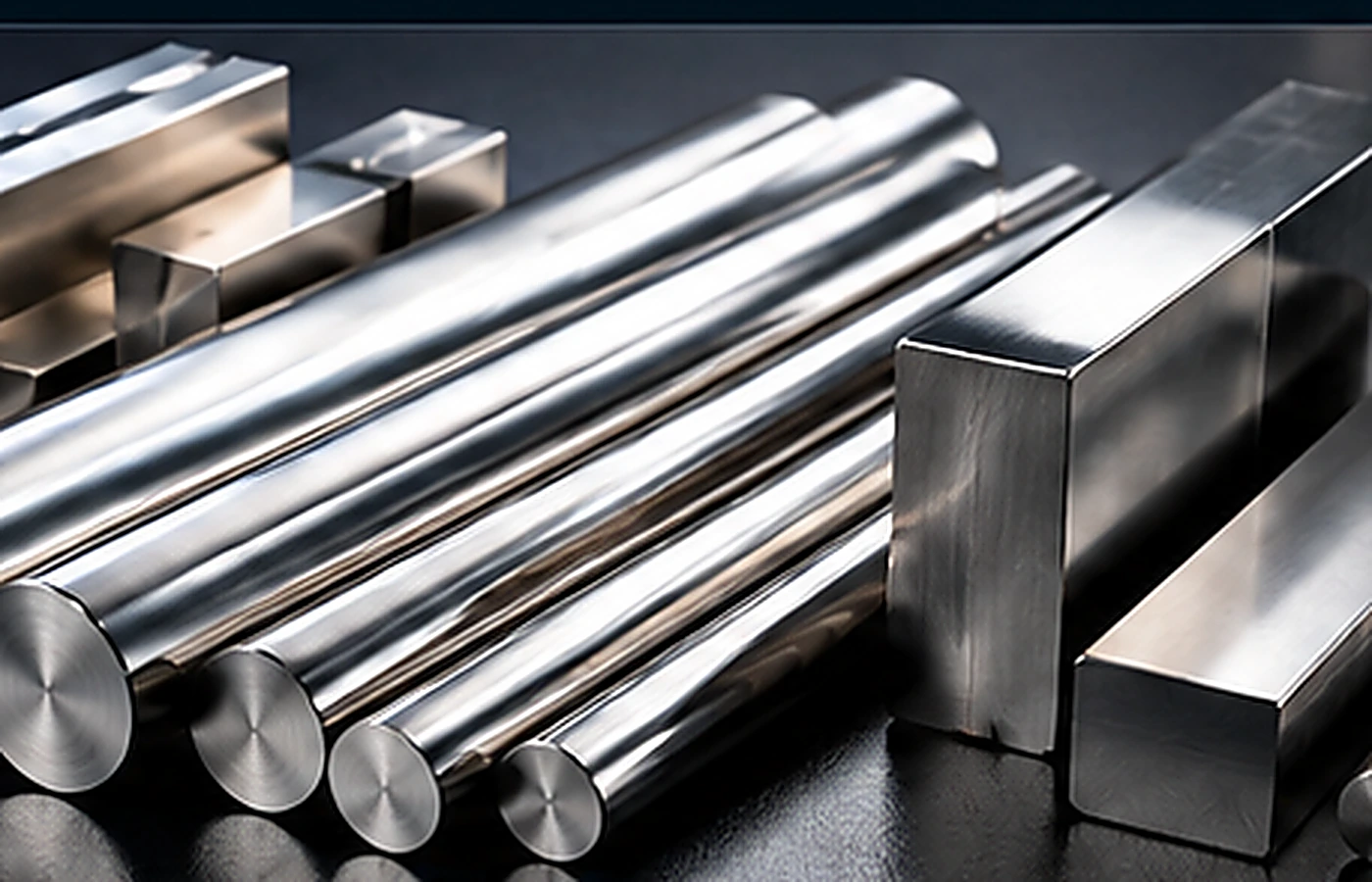
Suitable for a wide range of high-density counterweights, balancing parts and precision industrial components.
Material selection and manufacturing can be evaluated for specific applications, non-magnetic requirements or customer material specifications.
High-density W-Ni-Fe and W-Ni-Cu parts often require the machining route to be considered together with the sintered blank. MAOXU evaluates blank size, machining allowance, geometry, tolerance, surface finish and inspection requirements from the customer drawing before the manufacturing route is confirmed.
CNC turning and milling can be evaluated for custom tungsten heavy alloy components. Part geometry, section thickness, workholding and machining allowance are reviewed together with the selected alloy and sintered blank.
Where tighter dimensional control or surface requirements are specified, grinding and finishing operations can be incorporated after primary machining. The practical route depends on part geometry, tolerance and acceptance criteria.
Dimensional inspection and material documentation can be defined according to the project. Critical dimensions, tolerances and requested inspection records should be identified before production.
For custom machined tungsten heavy alloy parts, send the drawing together with material grade or density, quantity, tolerance and surface requirements. MAOXU will evaluate a suitable material-to-finished-part manufacturing route.
Material classes, density, hardness and mechanical-property references for W-Ni-Fe / W-Ni-Cu. Verify all figures against the applicable standard, material certificates and purchase specifications before acceptance.
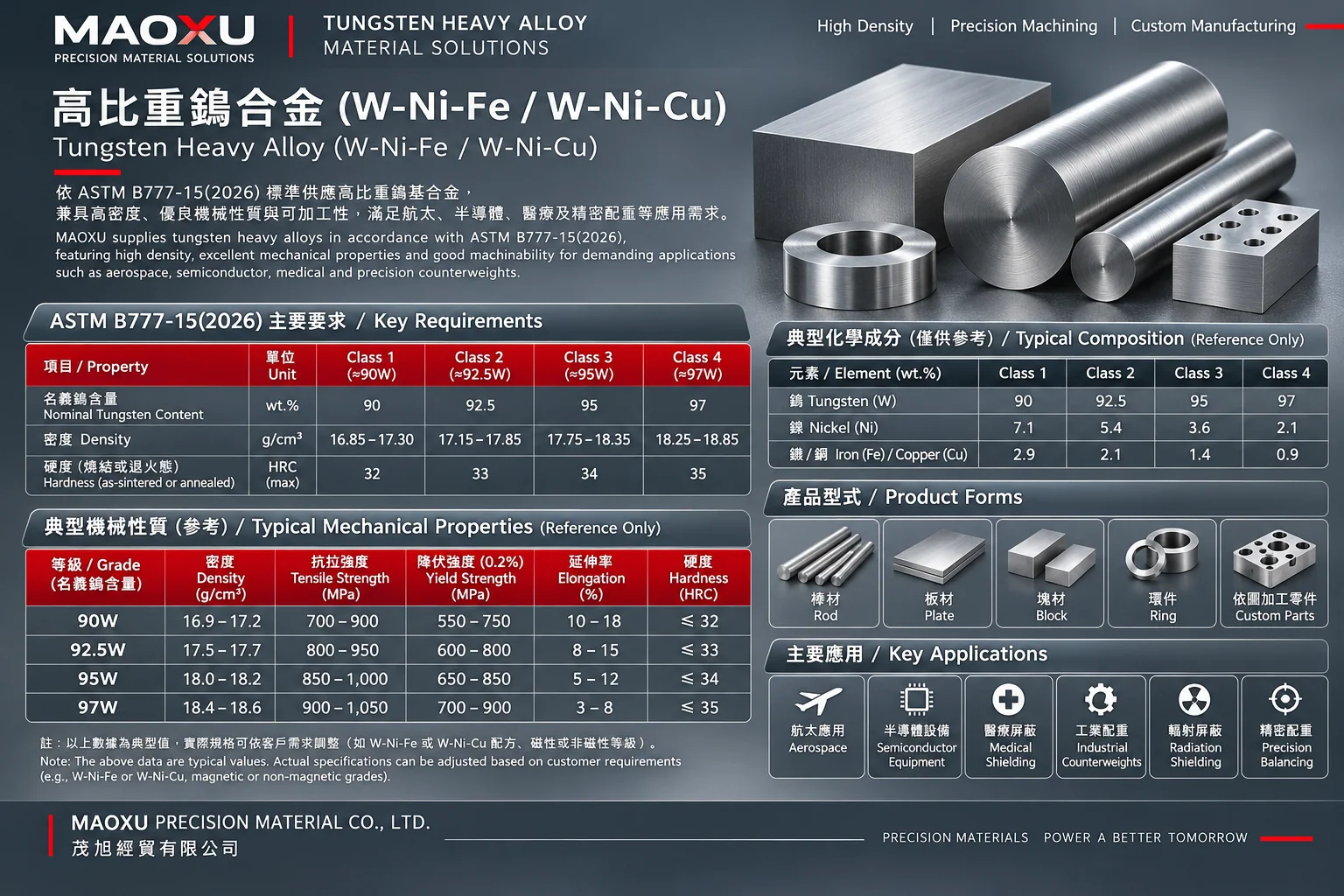
| 項目 / Property | 單位 | Class 1 | Class 2 | Class 3 | Class 4 |
|---|---|---|---|---|---|
| 名義鎢含量 / Nominal W | wt.% | 90 | 92.5 | 95 | 97 |
| 密度 / Density | g/cm³ | 16.85–17.30 | 17.15–17.85 | 17.75–18.35 | 18.25–18.85 |
| 最高硬度(燒結或退火態)/ HRC max | HRC | 32 | 33 | 34 | 35 |
依 ASTM B777-15 Table 1;2026 版為再確認版本。硬度上限適用未加工硬化的燒結或退火狀態。
| 系統 / Class | 抗拉強度 min (MPa) | 0.2% 降伏強度 min (MPa) | 延伸率 min |
|---|---|---|---|
| W-Ni-Fe · Class 1 | 758 | 517 | 5% |
| W-Ni-Fe · Class 2 | 758 | 517 | 5% |
| W-Ni-Fe · Class 3 | 724 | 517 | 3% |
| W-Ni-Fe · Class 4 | 689 | 517 | 2% |
| W-Ni-Cu · Class 1 | 648 | 517 | 2% |
| W-Ni-Cu · Class 2 | 648 | 517 | 2% |
| W-Ni-Cu · Class 3 | 648 | 517 | 1% |
| W-Ni-Cu · Class 4 | 不適用非磁性 Class 4 | ||
數值為 ASTM B777 Table 2 常見英制最低要求換算之約值,正式合約驗收請依所購標準原文及批次材證。W-Ni-Cu 為常見非磁性系統,但磁性規格仍須以實測及訂單要求為準。
| 元素 / Element | Class 1 | Class 2 | Class 3 | Class 4 |
|---|---|---|---|---|
| 鎢 / W (wt.%) | 90 | 92.5 | 95 | 97 |
| 鎳 / Ni(示例) | 7.1 | 5.4 | 3.6 | 2.1 |
| 鐵 Fe 或銅 Cu(示例) | 2.9 | 2.1 | 1.4 | 0.9 |
此為示意性配方,並非 ASTM B777 指定 Ni/Fe/Cu 比例,亦不代表兩種系統可直接以相同比例替換。Class 4 非磁性系統不在 ASTM B777 規定範圍內;實際配方以供應商確認及材質證明為準。
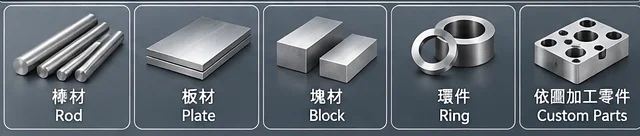

Note: Typical compositions are not fixed ASTM recipes. W-Ni-Fe and W-Ni-Cu properties are not interchangeable. Validate all figures against the official ASTM standard and supplier certificates before contractual use.
Request Technical Review & QuotationHigh density, compact volume and precision machinability make tungsten heavy alloy suitable for many engineering applications.

Balancing and weight distribution for aircraft, rotating systems and space-constrained designs.
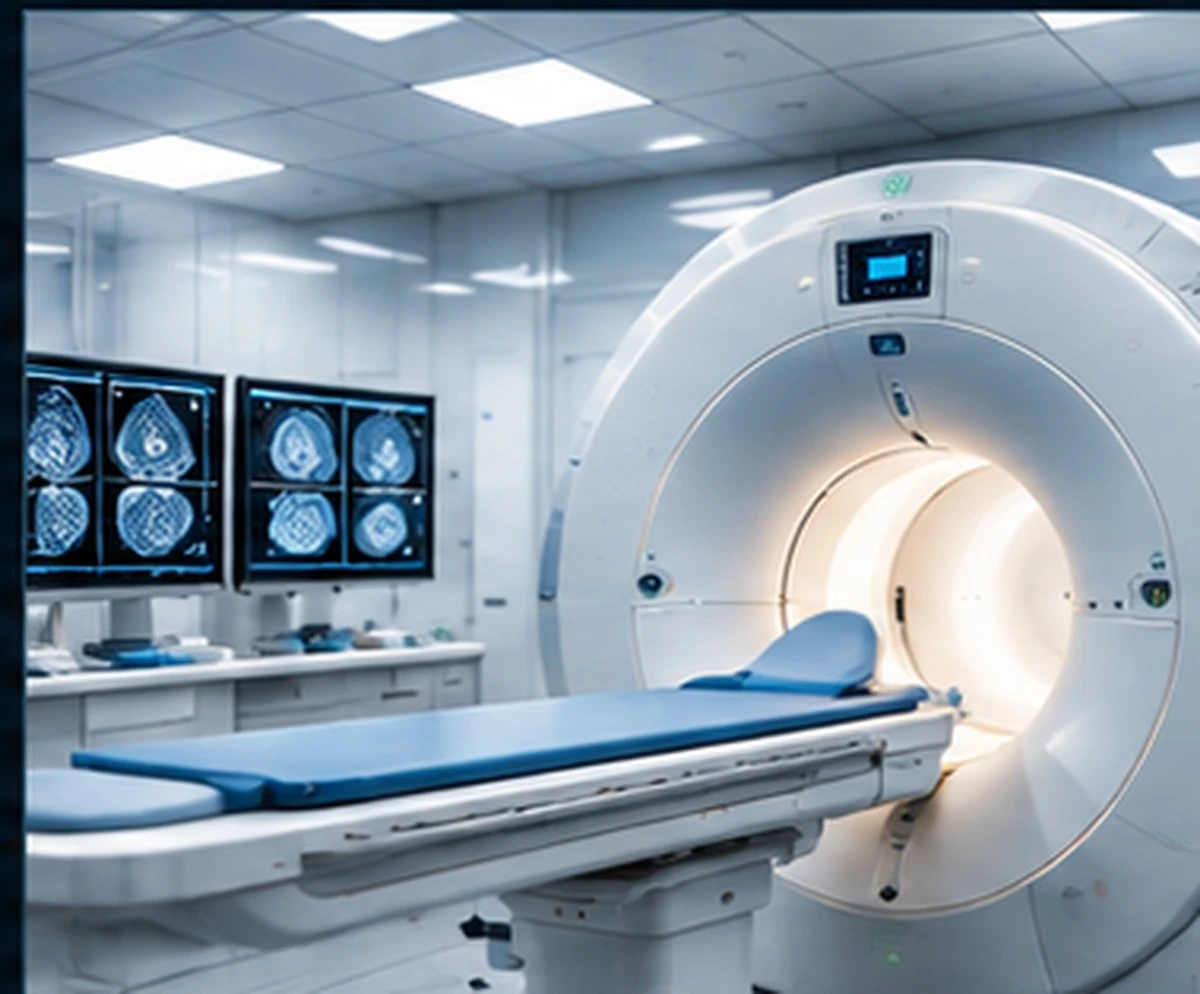
X-ray and gamma-ray shielding components can be evaluated according to equipment design requirements.
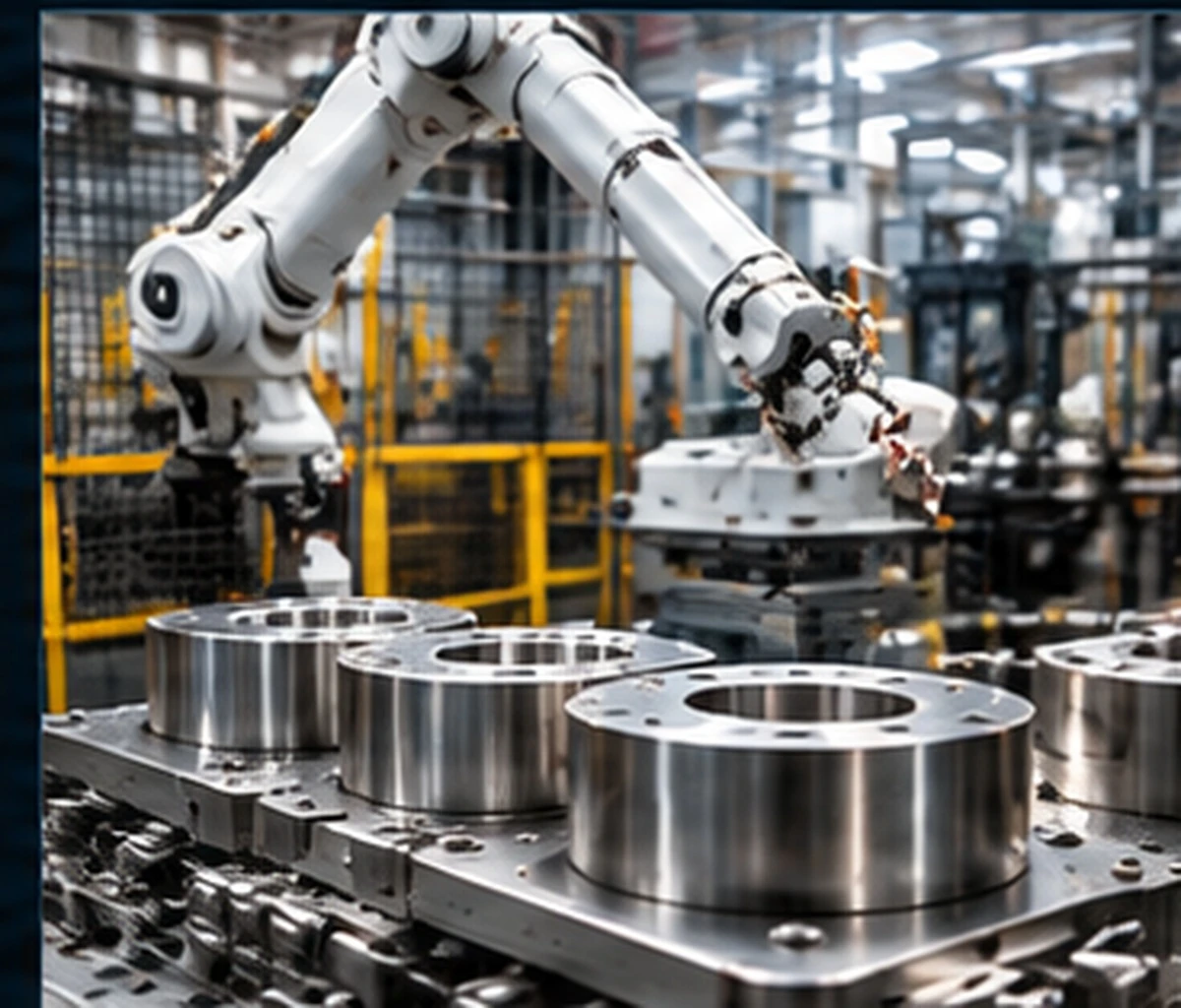
High-density counterweights, balancing parts and precision mechanical components.
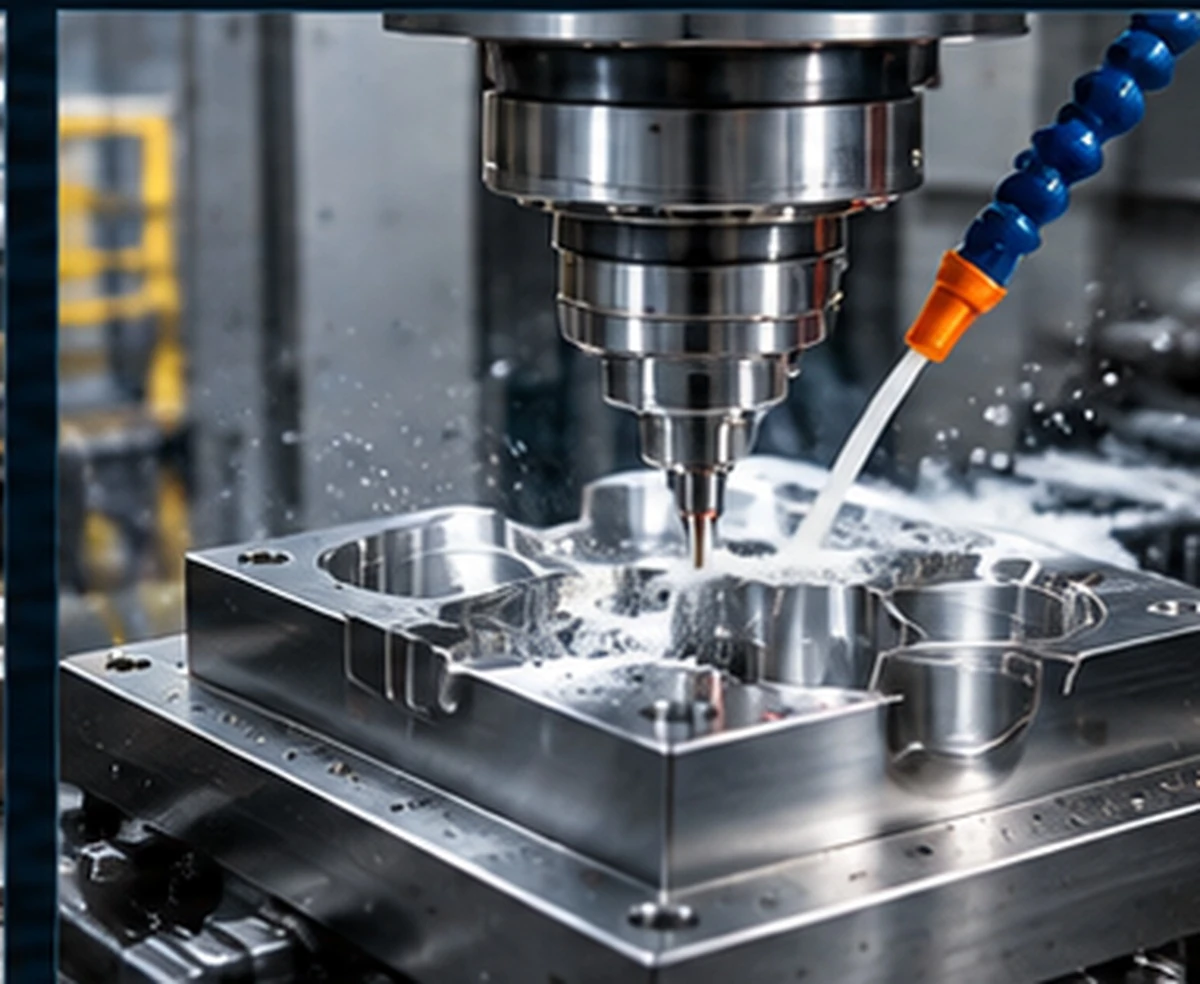
High-precision, high-density custom parts machined to drawing.
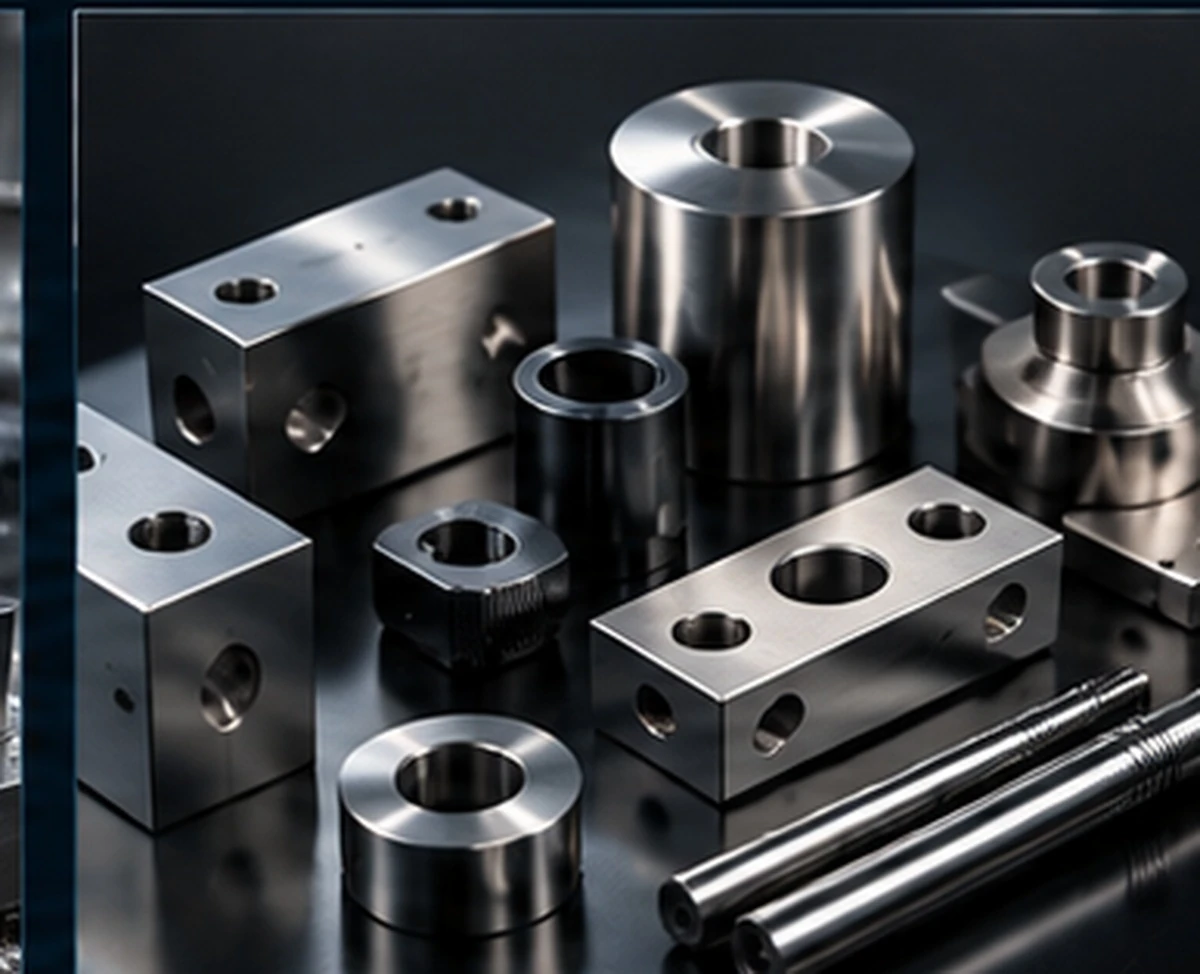
Fixtures, counterweights and precision parts are evaluated against actual equipment conditions.
Material system is confirmed according to customer specifications, application, density and machining conditions.
Manufacturability is evaluated against drawing dimensions, tolerances, quantity and service conditions.
Blank, sintering and CNC precision-machining requirements are integrated.
Material certificates and inspection items are confirmed according to project and order requirements.
No. Tungsten heavy alloy is primarily selected for its high density, while cemented carbide is primarily selected for high hardness and wear resistance. The terms are sometimes mixed in market searches, so the actual application should be confirmed first.
An integrated process can be evaluated based on complete material specifications, drawings, quantity, tolerances and inspection requirements. Actual manufacturing scope is subject to project confirmation.
Material certificates, dimensional inspection and other specified documents can be confirmed according to project requirements. Acceptance items under different specifications should be agreed before quotation and production.
Send us your drawings, material specification, quantity and acceptance requirements, and MAOXU will help evaluate the material and manufacturing route.